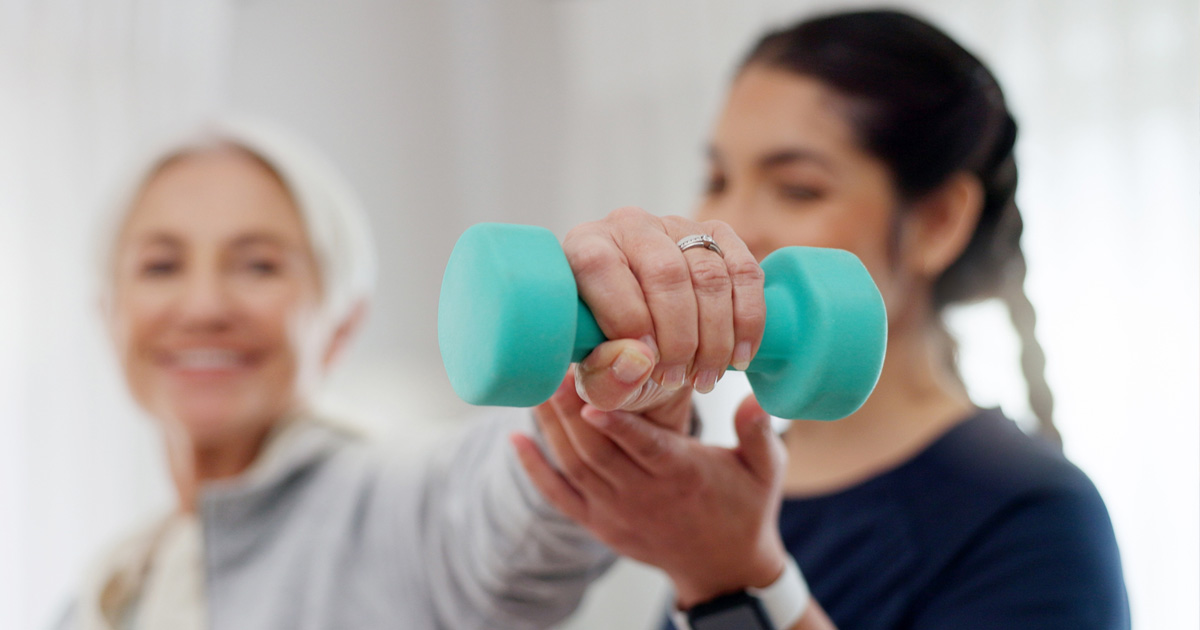
When an older adult comes to Christian Living Communities (CLC) for short-term rehabilitation, recovery is about much more than completing exercises or regaining physical strength. It is about helping each person return home with greater independence, confidence, and quality of life.
At CLC, we believe rehabilitation works best when it is an integrated part of the care experience. That is why having our own in-house physical, occupational, and speech therapy team makes such a meaningful difference.
Rather than functioning as a separate service, our therapists are part of the CLC team. They work alongside nurses, caregivers, and other professionals supporting each person’s recovery. This creates greater opportunity for communication, collaboration and a shared understanding of individual goals.

The Benefits Of An In-House Therapy Team In Senior Living
One Team, One Approach To Care
Short-term rehabilitation often follows a hospital stay caused by an illness, injury or surgery. It can be a vulnerable time for older adults and their families, with many people involved in the recovery process.
At CLC, our in-house therapy model brings those professionals closer together. Therapists collaborate directly with the broader clinical team, helping create a coordinated approach to care with everyone working toward the same goal: helping each person regain strength, independence, and quality of life.
“Having an in-house therapy team strengthens our ability to provide coordinated, high-quality care,” says Angela Allen, CLC’s Vice President of Clinical Services. “When our therapists are part of our team, communication happens more naturally and consistently across disciplines. We have greater opportunity to share clinical insights, promptly respond to changes in a person’s condition and work together on the best plan of care. Ultimately, it strengthens our clinical abilities and allows us to provide a more connected experience for the people we serve.”
Care That Continues Beyond Rehabilitation
One unique advantage of CLC’s in-house therapy model is continuity.
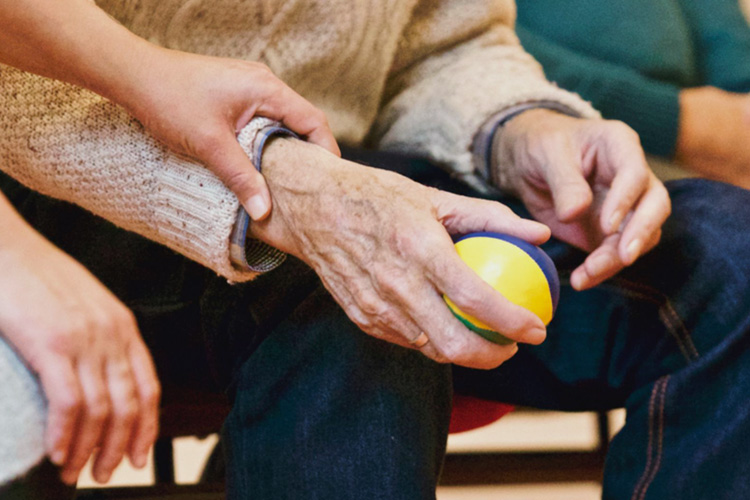
An older adult may first meet our therapy team while recovering from surgery, an illness or a hospital stay. As someone goes home or transitions to another level of care within the CLC continuum, the need for therapy may change—but the relationship can continue.
For residents who qualify for Medicare Part B therapy, our team can continue providing physical, occupational or speech therapy either in one of our onsite clinics or in their own apartment on campus. Therapy can remain an important resource as an older adult’s needs, abilities, and goals evolve.
That continuity gives therapists the opportunity to know the people they serve over time—not just their diagnosis, but their preferences, routines, strengths and goals. It also allows the broader CLC team to maintain a deeper understanding of changing needs.

Greater Consistency And Clinical Oversight
An in-house therapy program gives CLC greater clinical and operational oversight. We establish a consistent approach to rehabilitation across our communities while still tailoring care to each individual.
Every person’s recovery looks different. One individual may be working toward safely walking independently again. Another may need help rebuilding skills for everyday activities such as dressing, bathing or preparing a meal. For someone else, speech therapy may address communication, cognition, or swallowing challenges.
Our in-house model allows us to coordinate therapy more closely with the rest of a person’s support team. Rehabilitation is not simply what happens during a therapy session; it is part of a larger, individualized approach to care.
Relationships Matter
There is another important benefit to having an in-house therapy team: relationships.
Our therapists become familiar faces within the community and can build meaningful relationships with the people they serve. They know the environment, work alongside the same clinical colleagues and become part of the broader community—not simply visitors providing a service.
And when a therapist can continue working with an older adult after short-term rehabilitation, that relationship has the opportunity to deepen over time.
At CLC, we believe those relationships matter because caring for older adults is ultimately about people, not just programs.
Supported By Specialized Expertise
Having an in-house therapy team does not mean CLC has to navigate the complexities of therapy operations alone.
CLC partners with The MRA Group (MRA), which specializes in therapy consulting and management services for nonprofit Life Plan and Continuing Care Communities. MRA provides operational expertise, guidance and support for CLC’s internal therapy program.
This partnership gives CLC the best of both worlds: an internal therapy team deeply connected to our communities and specialized expertise supporting the program.
What Sets CLC Apart
Ultimately, an in-house therapy team is about more than organizational structure. It is about creating a more connected experience for the older adults who entrust their care to us.
At CLC, rehabilitation is part of the team—and that team can continue to be part of an older adult’s journey beyond short-term rehabilitation.
Our therapists work alongside those providing nursing and other care. They build relationships, collaborate around individual goals, and have the flexibility to respond to changing needs. When appropriate, they can continue providing therapy through Medicare Part B as older adults move through the CLC continuum of care.
That integration and continuity are important parts of what sets CLC apart.
When an older adult comes to CLC for short-term rehabilitation, they are not simply receiving therapy. They are entering a community where rehabilitation, nursing and supportive care work together toward a shared purpose: helping each person regain strength, independence, and confidence—and supporting their continued well-being for what comes next.